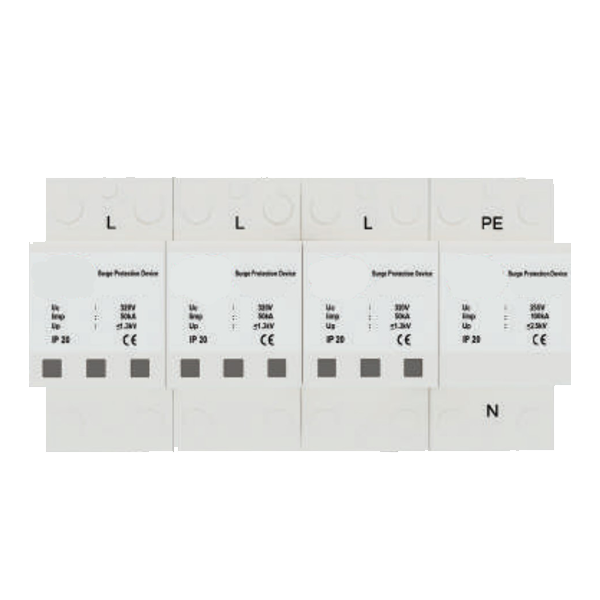
Category: Lightning Protection System

  • Difference between lightning arresters and LPS

    Lightning strikes are a common and often unpredictable natural phenomenon that can cause significant damage to buildings, equipment, and infrastructure. To mitigate the risk of lightning damage, lightning protection systems and lightning arresters are often used. While both of these systems are designed to protect against lightning strikes, there are important differences between them. In this article, we will explore the difference between lightning arresters and LPS (lightning protection systems), how they work, and when to use each one.

    What is a Lightning Protection System?
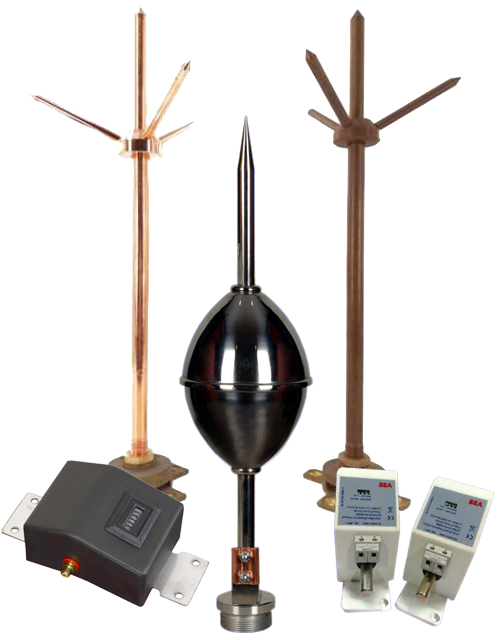
    lightning protection system is a comprehensive set of measures designed to protect a structure or building from the effects of lightning strikes. It includes several components, including lightning rods, conductors, and grounding systems. A lightning rod, also known as an air terminal, is a metal rod or tube that is mounted on the roof of a building. It is designed to attract the lightning strike and conduct the current through a conductor to the grounding system. The conductor is a metal wire or cable that is attached to the lightning rod and extends down to the grounding system. The grounding system is a network of metal rods or plates that are buried in the ground, designed to dissipate the electrical charge into the earth.

    The primary function of a lightning protection system is to provide a path of least resistance for the lightning strike, directing the electrical charge away from the structure and into the ground. The system does not prevent the lightning strike from occurring, but it does provide a safe path for the electrical charge to dissipate.

    What is a Lightning Arrester?

    A lightning arrester, also known as a surge arrester or surge suppressor, is a device that is installed to protect electrical equipment from the damaging effects of electrical surges caused by lightning strikes. When lightning strikes an electrical system, it can cause a surge of electricity that can damage or destroy the equipment. A lightning arrester is designed to divert the surge of electricity away from the equipment and safely to ground, protecting the equipment from damage.

    There are two types of lightning arresters: gap-type and valve-type. Gap-type arresters work by ionizing the air in the gap between two electrodes, which creates a low-impedance path for the lightning surge to travel to ground. Valve-type arresters use metal oxide varistors (MOVs) to absorb the energy of the surge and prevent it from damaging the equipment.

    The primary function of a lightning arrester is to protect electrical equipment from the damaging effects of electrical surges caused by lightning strikes.

    Differences between Lightning Protection Systems and Lightning Arresters:

    While both lightning protection systems and lightning arresters are designed to protect against lightning strikes, there are several key differences between them.

    Function: The primary function of a lightning protection system is to provide a path of least resistance for the lightning strike, directing the electrical charge away from the structure and into the ground. The primary function of a lightning arrester is to protect electrical equipment from the damaging effects of electrical surges caused by lightning strikes.

    Components: A lightning protection system includes several components, including lightning rods, conductors, and grounding systems. A lightning arrester is a standalone device that is installed to protect electrical equipment from electrical surges.

    Installation: A lightning protection system is installed on a building or structure, typically on the roof. A lightning arrester is installed near the equipment that it is designed to protect.

    Maintenance: A lightning protection system requires regular maintenance and inspection to ensure that it is functioning properly. A lightning arrester also requires maintenance and inspection, but it is typically less complex than a lightning protection system.

    When to use a Lightning Protection System:

    A lightning protection system is typically used to protect buildings or structures from lightning strikes. They are commonly used on tall buildings, bridges, and other structures that are likely to attract lightning strikes. A lightning protection system is particularly important for buildings that contain sensitive equipment or materials that could be damaged by a lightning strike, such as hospitals, data centers, and chemical plants.

    A lightning protection system is also recommended for buildings that are located in areas with a high frequency of lightning strikes or that are particularly vulnerable to lightning strikes due to their location or design.

    When to use a Lightning Arrester:

    A lightning arrester is typically used to protect electrical equipment from the damaging effects of electrical surges caused by lightning strikes. They are commonly used in power distribution systems, telecommunications systems, and industrial facilities that rely on sensitive electronic equipment.

    A lightning arrester is particularly important for equipment that is located in areas with a high frequency of lightning strikes or that is particularly vulnerable to lightning strikes due to its location or design. For example, a telecommunications tower located in an area with a high frequency of lightning strikes would benefit from the installation of a lightning arrester to protect the sensitive electronic equipment.

    Benefits of Lightning Protection Systems and Lightning Arresters:

    Both lightning protection systems and lightning arresters offer important benefits for buildings, structures, and electrical equipment.

    Benefits of Lightning Protection Systems:

    Protection against lightning strikes: A lightning protection system provides a path of least resistance for the lightning strike, directing the electrical charge away from the structure and into the ground.

    Protection for sensitive equipment: A lightning protection system can protect sensitive equipment from the damaging effects of a lightning strike.

    Improved safety: A lightning protection system can help to reduce the risk of fire or other damage caused by a lightning strike.

    Benefits of Lightning Arresters:

    Protection for electrical equipment: A lightning arrester can protect electrical equipment from the damaging effects of electrical surges caused by lightning strikes.

    Reduced downtime: By protecting electrical equipment from damage caused by lightning strikes, a lightning arrester can help to reduce downtime and improve productivity.

    Cost-effective: Installing a lightning arrester is a cost-effective way to protect electrical equipment from damage caused by lightning strikes.

    In conclusion, both lightning protection systems and lightning arresters play an important role in protecting buildings, structures, and electrical equipment from the damaging effects of lightning strikes. While both systems serve a similar purpose, there are important differences between them, including their function, components, installation, and maintenance requirements.

    A lightning protection system is typically used to protect buildings or structures from lightning strikes, while a lightning arrester is typically used to protect electrical equipment from the damaging effects of electrical surges caused by lightning strikes. Understanding the differences between these systems and their respective benefits can help building owners and facility managers make informed decisions about which system to use to protect their property and equipment from lightning strikes.

  • Lightning arresters for buildings

    Lightning is a powerful and unpredictable natural phenomenon that can cause significant damage to buildings, infrastructure, and human life. Lightning strikes can result in fires, structural damage, and damage to electrical systems and equipment. As a result, it is essential to implement lightning protection systems for buildings to minimize the risk of damage and ensure the safety of building occupants. In this article, we will discuss lightning arresters for buildings.

    One of the most critical components of a lightning protection system for buildings is a lightning arrester. Lightning arresters are devices that are designed to protect electrical systems and equipment from high-voltage surges caused by lightning strikes. Two of the most common types of lightning arresters used for buildings are the Franklin rod air terminal and the ESE lightning arrester.

    Franklin Rod Air Terminal

    The Franklin rod air terminal, also known as the Franklin lightning rod, is a simple and effective method of lightning protection. The Franklin rod air terminal was first introduced in the mid-18th century by Benjamin Franklin, who discovered that lightning was a form of electrical discharge. The Franklin rod air terminal consists of a metal rod or rods that are installed on the roof of a building and connected to a grounding system.

    The Franklin rod air terminal works by creating a path of least resistance for the electrical current produced by a lightning strike. When lightning strikes the Franklin rod air terminal, the electrical current is directed to the grounding system, preventing it from traveling through the building’s electrical systems and equipment.

    The Franklin rod air terminal is a reliable and cost-effective method of lightning protection, making it a popular choice for many buildings. However, it has some limitations. The Franklin rod air terminal is not effective against direct lightning strikes that occur within a few hundred feet of the building. Additionally, the Franklin rod air terminal must be installed correctly to be effective. If it is not installed correctly, it can actually increase the risk of damage from lightning strikes.

    ESE Lightning Arrester

    The ESE lightning arrester, also known as the early streamer emission lightning arrester, is a more advanced type of lightning arrester that provides a higher level of protection against lightning strikes. The ESE lightning arrester was first introduced in the 1970s and has since become a popular choice for modern buildings.

    The ESE lightning arrester works by emitting a streamer that travels toward the approaching lightning strike. The streamer ionizes the air, creating a path of least resistance for the electrical current produced by the lightning strike. This allows the electrical current to be safely diverted away from the building’s electrical systems and equipment.

    The ESE lightning arrester provides a higher level of protection against lightning strikes than the Franklin rod air terminal. It is effective against direct lightning strikes that occur within a few hundred feet of the building, as well as indirect lightning strikes. Additionally, the ESE lightning arrester can be installed at a lower height than the Franklin rod air terminal, reducing the visual impact on the building’s design.

    Choosing the Right Lightning Arrester for Your Building

    When it comes to choosing the right lightning arrester for your building, there are several factors to consider. These include the type of building, the height of the building, and the local weather patterns.

    For buildings that are less than 75 feet tall, the Franklin rod air terminal is a reliable and cost-effective method of lightning protection. However, for taller buildings or buildings located in areas with a high risk of lightning strikes, the ESE lightning arrester is a better choice. The ESE lightning arrester provides a higher level of protection against lightning strikes and can be installed at a lower height, reducing the visual impact on the building’s design.

    It is also important to consider the local weather patterns when choosing a lightning arrester for your building. Buildings located in areas with a high frequency of thunderstorms and lightning strikes will require a more robust lightning protection system than buildings located in areas with a lower frequency of thunderstorms and lightning strikes.

    In addition to choosing the right type of lightning arrester, it is important to ensure that the lightning protection system is installed correctly. Lightning protection systems must be designed and installed by professionals who are trained in lightning protection systems. They must also comply with national and international standards for lightning protection, such as NFPA 780 and IEC 62305.

    Surge Protection Systems

    In addition to lightning arresters, surge protection systems are an important component of a comprehensive lightning protection system for buildings. Surge protection systems are designed to protect electrical systems and equipment from power surges caused by lightning strikes, as well as other sources of electrical surges, such as power outages and equipment malfunctions.

    Surge protection systems work by limiting the voltage of an electrical surge, preventing it from damaging electrical systems and equipment. Surge protection systems can be installed at the building’s service entrance, as well as at individual electrical panels and equipment.

    There are several types of surge protection systems available, including transient voltage surge suppressors (TVSS), surge protective devices (SPD), and power conditioners. TVSS and SPD are the most common types of surge protection systems used for buildings.

    Transient Voltage Surge Suppressors (TVSS)

    TVSS are a type of surge protection device that is designed to protect electrical systems and equipment from transient voltage surges. TVSS are typically installed at the building’s service entrance and provide protection for the entire electrical system.

    TVSS work by detecting electrical surges and diverting them away from the electrical system. When an electrical surge is detected, the TVSS activates and redirects the electrical surge to the ground, preventing it from damaging electrical systems and equipment.

    Surge Protective Devices (SPD)

    SPD are a type of surge protection device that is designed to protect individual electrical panels and equipment from power surges. SPD are installed at the point where electrical power enters the electrical panel or equipment and provide protection for that specific panel or equipment.

    SPD work by detecting electrical surges and diverting them away from the electrical panel or equipment. When an electrical surge is detected, the SPD activates and redirects the electrical surge to the ground, preventing it from damaging the electrical panel or equipment.

    Power Conditioners

    Power conditioners are a type of surge protection device that is designed to protect electrical equipment from power quality issues, such as voltage sags, voltage spikes, and electrical noise. Power conditioners work by filtering out electrical noise and smoothing out voltage spikes and sags, ensuring that electrical equipment receives clean and stable power.

    Power conditioners are typically used in conjunction with TVSS and SPD to provide comprehensive protection against power surges and power quality issues.

    Lightning protection systems are essential for buildings to minimize the risk of damage and ensure the safety of building occupants. Lightning arresters, such as the Franklin rod air terminal and the ESE lightning arrester, are critical components of a lightning protection system. Surge protection systems, such as TVSS, SPD, and power conditioners, are also important components of a comprehensive lightning protection system.

    When choosing a lightning arrester and surge protection system for your building, it is important to consider the type of building, the height of the building, and the local weather patterns. It is also important to ensure that the lightning protection system is installed correctly and complies with national and international standards for lightning protection.

    By implementing a comprehensive lightning protection system, building owners and occupants can rest assured that their building and electrical systems are protected from the potentially devastating effects of lightning strikes and electrical surges.

  • Installation process as per IEC 62561

    The installation of a lightning protection system is a critical process that requires careful planning and adherence to safety standards. IEC 62561 is a standard that specifies the requirements for lightning protection system components, including their installation process. In this article, we will discuss the installation process as per IEC 62561 and the various steps involved in it.

    Step 1: Risk Assessment

    The first step in the installation process of a lightning protection system is to conduct a risk assessment. This assessment will determine the level of protection required for the structure and its contents. It will also identify potential hazards and the probability of a lightning strike.

    The risk assessment should take into account the following factors:

    • The height and shape of the structure
    • The materials used in the construction of the structure
    • The location and function of the structure
    • The type and value of the contents of the structure
    • The surrounding environment, including trees, power lines, and other structures
    • The local lightning frequency and intensity

    Once the risk assessment has been completed, the level of protection required for the structure can be determined. This will inform the design of the lightning protection system and the selection of appropriate components.

    Step 2: Design of the Lightning Protection System

    The next step in the installation process is the design of the lightning protection system. This involves selecting appropriate components and determining their placement on the structure.

    The lightning protection system consists of the following components:

    • Air termination system
    • Down conductor system
    • Earth termination system
    • Surge protection devices

    The air termination system consists of lightning rods or air terminals that are installed at the highest point of the structure. The air terminals are designed to intercept the lightning strike and conduct it to the down conductor system.

    The down conductor system consists of conductors that run from the air termination system to the earth termination system. The down conductors are designed to conduct the lightning strike safely to the earth.

    The earth termination system consists of earth electrodes that are installed in the ground. The earth electrodes are designed to dissipate the lightning strike safely into the ground.

    Surge protection devices are installed at the point of entry of electrical and electronic equipment into the structure. These devices protect the equipment from voltage surges that can be caused by lightning strikes.

    The design of the lightning protection system must comply with the requirements of IEC 62561. The components must be selected based on their performance and safety requirements, and their placement must be determined based on the risk assessment.

    Step 3: Installation of the Lightning Protection System

    The installation of the lightning protection system must be carried out by qualified personnel who are familiar with the requirements of IEC 62561. The installation must comply with the relevant building codes and regulations.

    The installation process can be broken down into the following steps:

    • Installation of the air termination system
    • Installation of the down conductor system
    • Installation of the earth termination system
    • Installation of the surge protection devices

    Installation of the air termination system

    The air termination system is installed at the highest point of the structure. The air terminals must be installed in a manner that allows for the interception of the lightning strike. They must be spaced appropriately to ensure that the entire structure is covered.

    The air terminals must be securely fixed to the structure using appropriate fixings. They must be made of materials that are resistant to corrosion and mechanical damage. The air terminals must also be bonded to the down conductor system.

    Installation of the Down Conductor System

    The down conductor system is installed in a straight line from the air termination system to the earth termination system. The down conductors must be installed using appropriate fixings and must be secured to the structure at regular intervals.

    The down conductors must be made of materials that are resistant to corrosion and mechanical damage. They must also be bonded to the earth termination system and the surge protection devices. The down conductor system must also be installed in a manner that prevents water ingress and damage to the structure.

    Installation of the Earth Termination System

    The earth termination system is installed in the ground. The earth electrodes must be installed in a manner that ensures good electrical contact with the surrounding soil. The earth electrodes must be spaced appropriately to ensure that the entire lightning protection system is properly earthed.

    The earth electrodes must be made of materials that are resistant to corrosion and mechanical damage. They must also be bonded to the down conductor system and the surge protection devices.

    Installation of the Surge Protection Devices

    The surge protection devices are installed at the point of entry of electrical and electronic equipment into the structure. The devices must be installed in a manner that ensures good electrical contact and proper bonding to the down conductor system and earth termination system.

    The surge protection devices must be selected based on their performance and safety requirements. They must be installed in accordance with the manufacturer’s instructions and the requirements of IEC 62561.

    Step 4: Testing and Inspection

    Once the lightning protection system has been installed, it must be tested and inspected to ensure that it is functioning properly. The testing and inspection process should be carried out by qualified personnel who are familiar with the requirements of IEC 62561.

    The testing and inspection process should include the following:

    • Verification of the components and their installation
    • Measurement of the earth resistance of the earth termination system
    • Measurement of the continuity of the down conductor system
    • Verification of the bonding between components
    • Verification of the surge protection devices

    Any deficiencies or faults in the lightning protection system must be identified and rectified before the system is put into service.

    Step 5: Maintenance

    The lightning protection system must be regularly maintained to ensure that it continues to function properly. The maintenance should be carried out by qualified personnel who are familiar with the requirements of IEC 62561.

    The maintenance should include the following:

    • Inspection of the components for signs of damage or corrosion
    • Inspection of the fixings and connections for tightness and security
    • Measurement of the earth resistance of the earth termination system
    • Measurement of the continuity of the down conductor system
    • Verification of the bonding between components
    • Verification of the surge protection devices

    Any deficiencies or faults in the lightning protection system must be identified and rectified promptly to ensure that the system continues to provide adequate protection.

    The installation process of a lightning protection system must be carried out carefully and in accordance with the requirements of IEC 62561. The process involves a risk assessment, design of the lightning protection system, installation of the components, testing and inspection, and maintenance.

    The lightning protection system must be installed by qualified personnel who are familiar with the requirements of IEC 62561. The components must be selected based on their performance and safety requirements, and their placement must be determined based on the risk assessment.

    Regular maintenance of the lightning protection system is critical to ensure that it continues to function properly. The maintenance should be carried out by qualified personnel and should include inspection of the components, measurement of the earth resistance and continuity of the down conductor system, and verification of the surge protection devices.

    Adherence to the requirements of IEC 62561 is critical to ensure that the lightning protection system provides adequate protection to the structure and its contents. By following the installation process as per IEC 62561, the risk of damage or injury due to lightning strikes can be greatly reduced.

  • Working principle of ESE lightning arresters

    A lightning arrester is a device used to protect electrical systems from lightning strikes. It operates by providing a low impedance path for the high voltage lightning surge to ground. In this article, we will discuss the working principle of ESE (Early Streamer Emission) lightning arresters. We will start with a brief overview of the types of lightning arresters available in the market, followed by the working principle of ESE lightning arresters. We will then discuss the advantages and disadvantages of ESE lightning arresters and conclude with some examples of their applications.

    Types of Lightning Arresters

    There are three types of lightning arresters available in the market, which are:

    Rod Gap Arresters

    Rod gap arresters are the oldest type of lightning arresters. They consist of two electrodes separated by a small air gap. When a high voltage surge occurs, the air between the electrodes ionizes, providing a low impedance path to ground. Rod gap arresters are inexpensive but have some limitations. They have a high spark-over voltage and a long response time.

    Metal Oxide Arresters

    Metal oxide arresters are the most common type of lightning arresters used today. They consist of a stack of zinc oxide discs sandwiched between two metal plates. When a high voltage surge occurs, the zinc oxide discs conduct the surge to ground. Metal oxide arresters have a low spark-over voltage and a fast response time.

    Early Streamer Emission (ESE) Arresters

    ESE arresters are the newest type of lightning arresters. They use a special design to create a streamer of ionized air before a lightning strike occurs. This streamer provides a low impedance path to ground, preventing the lightning from striking the protected structure. ESE arresters have a lower cost than traditional lightning protection systems and are more effective in protecting structures.

    Working Principle of ESE Lightning Arresters

    ESE lightning arresters operate on the principle of early streamer emission. The device contains a metal rod or mesh that is connected to a low impedance path to ground. When a high voltage surge occurs, the ESE arrester produces an upward streamer of ionized air from the tip of the rod or mesh. The streamer attracts the lightning to the rod, preventing it from striking the protected structure.

    The design of the ESE arrester is critical to its performance. The device must be placed at the highest point of the protected structure to provide the most effective protection. The height of the ESE arrester must also be greater than the height of any nearby objects. This ensures that the ESE arrester is the most attractive target for the lightning.

    The ESE arrester contains a triggering system that causes the device to produce a streamer of ionized air when the electric field strength exceeds a predetermined threshold. The triggering system may be based on a spark gap or a semiconductor device. The triggering system must be carefully designed to ensure that the ESE arrester produces a streamer of ionized air before the lightning strikes.

    Advantages of ESE Lightning Arresters

    ESE lightning arresters have several advantages over traditional lightning protection systems. These advantages include:

    Cost

    ESE lightning arresters are less expensive than traditional lightning protection systems. This makes them an attractive option for many applications.

    Low Maintenance

    ESE lightning arresters require little or no maintenance. They are designed to be self-cleaning, meaning that any debris or contaminants that accumulate on the device will be washed away by rain.

    Effectiveness

    ESE lightning arresters are more effective than traditional lightning protection systems. They provide a low impedance path to ground, preventing the lightning from striking the protected structure.

    Easy to Install

    ESE lightning arresters are easy to install. They require no special tools or equipment, and can be installed by a single person.

    Applications of ESE Lightning Arresters

    ESE lightning arresters are used in a variety of applications to protect structures and equipment from lightning strikes. Some of the most common applications of ESE lightning arresters include:
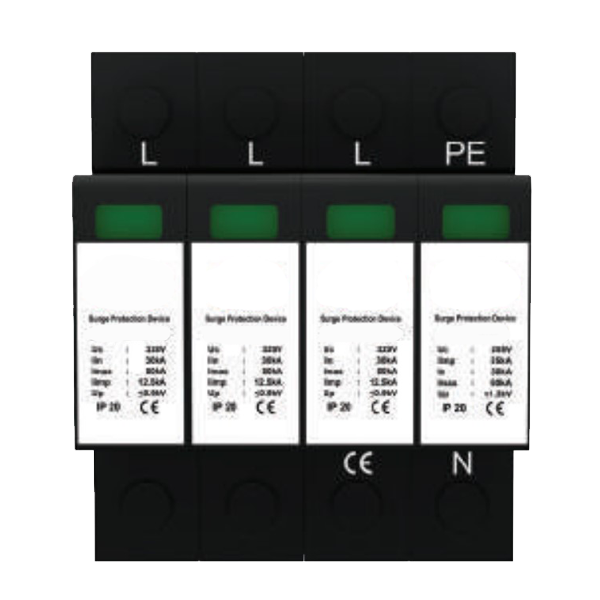
    Residential and Commercial Buildings – ESE lightning arresters are used to protect residential and commercial buildings from lightning strikes. They are installed on the roof of the building and provide a low impedance path to ground.

    Industrial Facilities – ESE lightning arresters are used to protect industrial facilities from lightning strikes. They are installed on the roof of the facility and provide a low impedance path to ground.

    Telecommunications and Broadcasting Towers – ESE lightning arresters are used to protect telecommunications and broadcasting towers from lightning strikes. They are installed at the top of the tower and provide a low impedance path to ground.

    Airports – ESE lightning arresters are used to protect airports from lightning strikes. They are installed on the air traffic control tower and other structures in the airport.

    In conclusion, ESE lightning arresters are an effective and cost-efficient solution for protecting structures and equipment from lightning strikes. They operate on the principle of early streamer emission and provide a low impedance path to ground. ESE lightning arresters have several advantages over traditional lightning protection systems, including lower cost, greater effectiveness, ease of installation, and low maintenance. However, they also have some limitations that must be considered, such as limited coverage area, dependence on weather conditions, and the need for proper installation. ESE lightning arresters are used in a variety of applications, including residential and commercial buildings, telecommunications and broadcasting towers, industrial facilities, and airports.
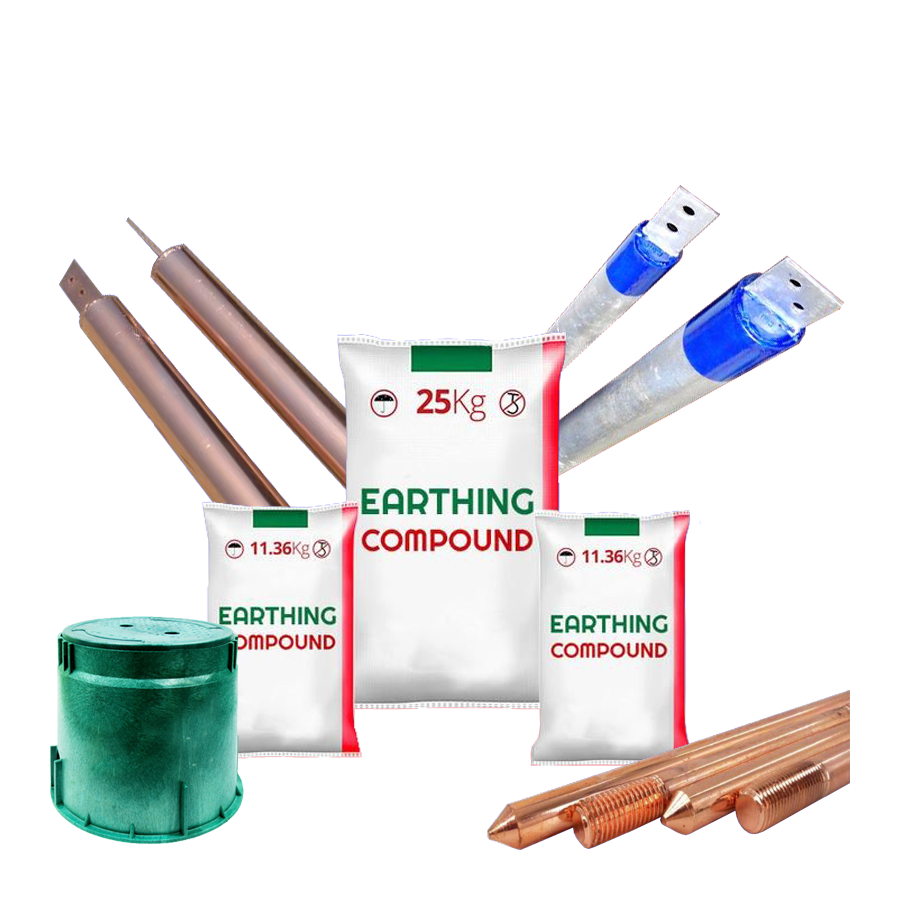
  • Different types of lightning protection systems

    Lightning is a powerful and potentially dangerous natural phenomenon that can strike without warning. It can cause significant damage to buildings, electrical systems, and people. To protect against lightning strikes, lightning protection systems (LPS) are installed in buildings and other structures. There are different types of lightning protection systems available, including direct and indirect lightning protection systems. In this article, we will discuss the different types of lightning protection systems in detail.

    Direct Lightning Protection Systems

    Direct lightning protection systems are designed to intercept and conduct lightning strikes to the ground, preventing damage to the structure and its occupants. These systems include lightning rods and early streamer emission (ESE) systems.

    Copper Lightning Arrester

    Franklin Rod LPS

    The Franklin rod LPS, also known as a lightning rod or air terminal, is the oldest and most common type of lightning protection system. It consists of a metal rod or a conductor installed at the highest point of a structure, typically on the roof. The rod or conductor is connected to a grounding system that provides a low-resistance path for the lightning to travel to the ground.

    When lightning strikes the structure, the Franklin rod LPS intercepts the strike and conducts it to the ground, dissipating the electrical energy harmlessly. The Franklin rod LPS works by creating a path of least resistance for the lightning to follow, reducing the risk of damage to the structure and its occupants.

    Franklin rod LPS is suitable for most buildings and structures, including residential and commercial buildings, factories, and high-rise buildings. They are relatively inexpensive and straightforward to install.

    ESE LPS

    Early Streamer Emission (ESE) LPS is a newer type of lightning protection system that is designed to attract and capture lightning strikes before they can damage a structure. ESE LPS use a special ionization system that emits a streamer of ions into the air before a lightning strike occurs. This ionization system creates an upward streamer, which can attract the lightning strike towards the system.

    ESE LPS is installed on the roof of the building and connected to the grounding system. They have a larger coverage area than Franklin rod LPS and are more sensitive to incoming lightning strikes. This makes them more effective at protecting large structures such as airports, wind turbines, and communication towers.

    ESE LPS is more expensive than Franklin rod LPS, but they are more effective and provide a higher level of protection. They are also easier to install and require less maintenance.

    Indirect Lightning Protection Systems

    Indirect lightning protection systems are designed to protect electrical systems and equipment from the effects of lightning strikes, such as power surges and voltage spikes. These systems include surge protection devices and grounding systems.

    Surge Protection Devices

    Surge protection devices (SPD) are electronic devices designed to protect electrical systems and equipment from power surges and voltage spikes caused by lightning strikes. They work by limiting the amount of electrical energy that can flow through the system, preventing damage to the equipment.

    SPDs are installed in the electrical system, typically at the point where the power enters the building. They are also installed on individual pieces of equipment to protect them from power surges. SPDs are available in different types, including plug-in, panel-mounted, and whole-house units.

    SPDs are effective at protecting electrical systems and equipment from lightning strikes, but they do not protect the structure from the physical effects of lightning strikes. They are also limited in their ability to protect against direct lightning strikes.

    Grounding Systems

    Grounding systems are an essential component of any lightning protection system. They provide a low-resistance path for the lightning to travel to the ground, dissipating the electrical energy harmlessly. Grounding systems consist of a network of conductive materials, including wires, rods, and plates, installed in the ground around the structure.

    Grounding systems work by creating a path of least resistance for the lightning to follow, reducing the risk of damage to the electrical system and equipment. They also provide a stable reference point for the electrical system, reducing the risk of electrical shocks and fires.

    Grounding systems are required by electrical codes and regulations and must be installed by qualified professionals. They must also be inspected and maintained regularly to ensure they are working correctly.

    Lightning is a powerful and potentially dangerous natural phenomenon that can cause significant damage to buildings, electrical systems, and people. To protect against lightning strikes, lightning protection systems (LPS) are installed in buildings and other structures.

    There are different types of lightning protection systems available, including direct and indirect lightning protection systems. Direct lightning protection systems are designed to intercept and conduct lightning strikes to the ground, preventing damage to the structure and its occupants. These systems include lightning rods and early streamer emission (ESE) systems.

    Indirect lightning protection systems are designed to protect electrical systems and equipment from the effects of lightning strikes, such as power surges and voltage spikes. These systems include surge protection devices and grounding systems.

    When selecting a lightning protection system, it is essential to consider the type of structure, the type of electrical system, and the level of protection required. It is also essential to hire qualified professionals to install and maintain the system to ensure it is working correctly.

    In conclusion, lightning protection systems are an essential component of any building or structure. By installing the right system, property owners can protect their investment and ensure the safety of their occupants.

  • Installation process as per NFC 17102

    The installation process as per NFC 17 102 2011 is a comprehensive guide that outlines the steps and procedures involved in the installation of lightning protection systems. This standard is used in many countries around the world, including France, and is designed to ensure that lightning protection systems are installed correctly and effectively. In this article, we will explore the installation process as per NFC 17 102 2011, including the steps involved and the requirements for each step.

    Overview of NFC 17 102 2011

    Before diving into the installation process, it is important to understand what NFC 17 102 2011 is and why it is important. This standard, also known as the French National Standard for Lightning Protection, provides guidelines for the design, installation, and maintenance of lightning protection systems. The standard applies to all types of structures, including buildings, bridges, and towers.

    The NFC 17 102 2011 standard is based on the principle of the Faraday cage, which is a conductive enclosure that protects the interior from external electrical fields. The standard recommends the installation of a lightning protection system that is designed to intercept lightning strikes and conduct the electrical current safely to the ground.

    Steps in the Installation Process

    The installation process as per NFC 17 102 2011 involves several steps that are designed to ensure that the lightning protection system is installed correctly and effectively. These steps are as follows:

    Site Survey

    The first step in the installation process is to conduct a site survey. This involves an inspection of the structure to determine the best location for the lightning protection system. The survey should take into account the height of the structure, the location of any metal objects, and the soil conditions.

    Design

    Once the site survey is complete, the lightning protection system can be designed. The design should take into account the size and shape of the structure, the local lightning density, and the protection level required. The design should also comply with the requirements of NFC 17 102 2011 and any other relevant standards.

    Installation of Air Terminals

    The next step is to install the air terminals. These are the rods or other conductive elements that are installed on the roof of the structure. The air terminals are designed to intercept the lightning strike and conduct the electrical current safely to the ground. The installation of air terminals should be done in accordance with the design and the requirements of NFC 17 102 2011.

    Installation of Down Conductors

    The down conductors are the vertical conductive elements that connect the air terminals to the ground. The down conductors should be installed in a straight line, without any sharp bends or kinks. The installation of down conductors should also comply with the requirements of NFC 17 102 2011.

    Installation of Grounding System

    The grounding system is the final part of the lightning protection system. It is designed to provide a safe path for the electrical current to dissipate into the ground. The grounding system should be installed in accordance with the design and the requirements of NFC 17 102 2011. The grounding system should also be tested to ensure that it is working correctly.

    Requirements for Each Step

    In addition to the steps involved in the installation process, there are also specific requirements for each step. These requirements are designed to ensure that the lightning protection system is installed correctly and effectively. The requirements for each step are as follows:

    Site Survey Requirements:

    • The site survey should be carried out by a qualified and experienced professional.
    • The survey should take into account the height of the structure, the location of any metal objects, and the soil conditions.
    • The survey should be documented in a report that includes recommendations for the design of the lightning protection system.

    Design Requirements:

    • The lightning protection system design should be carried out by a qualified and experienced professional.
    • The design should take into account the size and shape of the structure, the local lightning density, and the protection level required.
    • The design should comply with the requirements of NFC 17 102 2011 and any other relevant standards.
    • The design should include the location of the air terminals, down conductors, and grounding system.

    Air Terminal Installation Requirements:

    • The air terminals should be installed in accordance with the design and the requirements of NFC 17 102 2011.
    • The air terminals should be spaced no more than 20 meters apart.
    • The air terminals should be installed on the highest points of the structure and should be at least 1 meter above the roof.

    Down Conductor Installation Requirements:

    • The down conductors should be installed in a straight line, without any sharp bends or kinks.
    • The down conductors should be installed at least 50 cm away from the building’s exterior walls.
    • The down conductors should be connected to the air terminals with suitable connectors.
    • The down conductors should be made of a conductive material that meets the requirements of NFC 17 102 2011.

    Grounding System Installation Requirements:

    • The grounding system should be installed in accordance with the design and the requirements of NFC 17 102 2011.
    • The grounding system should be tested to ensure that it has a low resistance to earth.
    • The grounding system should be installed in an area that is not subject to flooding or waterlogging.
    • The grounding system should be connected to the down conductors with suitable connectors.
      Advantages of NFC 17 102 2011

    The NFC 17 102 2011 standard has several advantages when it comes to the installation of lightning protection systems. These advantages include:

    Clear Guidelines: NFC 17 102 2011 provides clear guidelines for the design, installation, and maintenance of lightning protection systems. This makes it easier for professionals to install the system correctly and effectively.

    High Protection Level: NFC 17 102 2011 requires lightning protection systems to provide a high level of protection against lightning strikes. This helps to ensure that the structure and its occupants are safe in the event of a lightning strike.

    International Standard: NFC 17 102 2011 is an international standard that is used in many countries around the world. This means that lightning protection systems installed according to the standard are likely to meet the requirements of other countries as well.

    Reliable Performance: NFC 17 102 2011 requires lightning protection systems to be designed and installed in a way that ensures reliable performance. This helps to reduce the risk of system failure and ensures that the system is effective in protecting the structure.

  • Installation of ESE Lightning protection

    Lightning strikes can cause significant damage to buildings and structures, resulting in costly repairs and downtime. The installation of a lightning protection system is critical to protect against the unpredictable and potentially dangerous effects of lightning strikes. One type of lightning protection system is the Early Streamer Emission (ESE) lightning protection system. In this article, we will discuss the installation process of the ESE lightning protection system and the advantages it offers over other types of systems. We will also explore the benefits of using maintenance-free chemical earthing instead of traditional earthing methods.

    What is an ESE Lightning Protection System?

    An ESE lightning protection system is designed to protect buildings and structures from direct and indirect lightning strikes. It works by emitting a streamer, which is an ionized channel that is capable of attracting lightning strikes. The ESE lightning protection system has a unique design that enables it to emit the streamer earlier than other types of systems, giving it an advantage in attracting lightning strikes.

    Installation Process of ESE Lightning Protection System

    The installation process of an ESE lightning protection system is similar to that of a conventional system. However, there are some differences due to the unique design of the ESE system. The installation process typically involves the following steps:

    Step 1: Site Assessment

    The first step in the installation process is a site assessment. This involves assessing the building or structure to determine the level of protection required. The assessment takes into account the size and shape of the building, the location, and the surrounding environment. The assessment is critical to ensuring that the ESE lightning protection system is designed to provide the necessary level of protection.

    Step 2: Design

    Once the site assessment is complete, the design of the ESE lightning protection system can begin. The design takes into account the results of the site assessment and is tailored to the specific needs of the building or structure. The design includes the placement of air terminals, conductors, and grounding system.

    Step 3: Installation of Air Terminals

    The air terminals are the most visible part of the lightning protection system. They are installed on the roof of the building or structure and are designed to attract lightning strikes. The air terminals are typically made of SS Metal.

    Step 4: Installation of Conductors

    The conductors are the cables that connect the air terminals to the grounding system. They are designed to conduct the electrical charge from a lightning strike safely into the ground. The conductors are typically made of copper or aluminum and are installed along the roof and down the sides of the building.

    Step 5: Installation of Grounding System

    The grounding system is designed to provide a path for the electrical charge from a lightning strike to safely dissipate into the ground. The grounding system typically consists of grounding rods and conductors that are buried in the ground. The grounding rods are installed at a sufficient depth to ensure a good connection with the soil.

    Advantages of ESE Lightning Protection System

    There are several advantages to using an ESE lightning protection system over other types of systems. These include:

    Early Streamer Emission

    The unique design of the ESE system enables it to emit a streamer earlier than other types of systems. This gives it an advantage in attracting lightning strikes, providing an extra layer of protection.

    High Level of Protection

    The ESE lightning protection system is designed to provide a high level of protection to buildings and structures. It is capable of protecting against direct and indirect lightning strikes, reducing the risk of damage and downtime.

    Low Maintenance

    The ESE lightning protection system requires little maintenance once it is installed. The air terminals and conductors are designed to withstand the elements and do not require regular maintenance.

    Cost-effective

    The ESE lightning protection system is a Cost-effective Lightning Protection Solution with Maintenance-Free Chemical Earthing.

    In addition to the advantages of the ESE lightning protection system, there is another important aspect of lightning protection that should be considered: earthing. Earthing is the process of providing a path for the electrical charge from a lightning strike to safely dissipate into the ground. The traditional method of earthing involves using a grounding rod or plate that is buried in the ground. However, this method can be unreliable and requires regular maintenance to ensure a good connection with the soil.

    A more modern and effective approach to earthing is the use of maintenance-free chemical earthing. This involves using a conductive compound that is mixed with the soil to create a low-resistance earth pit. The compound is designed to provide a permanent and reliable connection between the grounding system and the soil, reducing the need for regular maintenance.

    Benefits of Maintenance-Free Chemical Earthing

    There are several benefits to using maintenance-free chemical earthing over traditional earthing methods:

    Reliable Connection

    Maintenance-free chemical earthing provides a reliable connection between the grounding system and the soil. This ensures that the electrical charge from a lightning strike is safely dissipated into the ground, reducing the risk of damage and downtime.

    Low Maintenance

    Maintenance-free chemical earthing requires little to no maintenance once it is installed. This reduces the need for regular inspections and ensures that the grounding system is always functioning properly.

    Longevity

    Maintenance-free chemical earthing has a long lifespan, typically lasting for more than 20 years. This means that it is a cost-effective solution that requires minimal maintenance over its lifespan.

    Cost-effective

    Maintenance-free chemical earthing is a cost-effective solution that can save money in the long run. It requires minimal maintenance and has a long lifespan, reducing the need for expensive repairs and replacements.

    In conclusion, the installation process of an ESE lightning protection system involves several steps, including site assessment, design, installation of air terminals, conductors, and grounding system. The ESE lightning protection system offers several advantages, including early streamer emission, high level of protection, low maintenance, and cost-effectiveness.

    In addition to the ESE lightning protection system, the use of maintenance-free chemical earthing can provide a reliable and cost-effective solution for earthing. Maintenance-free chemical earthing offers several benefits over traditional earthing methods, including reliability, low maintenance, longevity, and cost-effectiveness.

    By combining the installation of an ESE lightning protection system with maintenance-free chemical earthing, building owners and operators can ensure that their structures are protected against lightning strikes while minimizing the need for regular maintenance and expensive repairs.

  • Installation process of conventional LPS

    Lightning strikes can cause extensive damage to buildings and other structures. Fortunately, the installation of a conventional LPS (lightning protection system) can mitigate the risks associated with lightning strikes. The installation process involves a series of steps that are designed to ensure the safety and protection of the structure. In this article, we will discuss the installation process of a conventional lightning protection system in detail.

    Step 1: Site Assessment

    The first step in the installation process of a conventional lightning protection system is to conduct a site assessment. This assessment involves the evaluation of the structure to be protected, including its size, shape, and height. The site assessment also considers the type of roof, the nature of the soil, and the presence of any metallic objects in the vicinity of the structure.

    The site assessment is typically carried out by a qualified professional, who has expertise in the design and installation of lightning protection systems. The purpose of the site assessment is to identify the risks associated with lightning strikes and to develop a design that provides adequate protection to the structure.

    Step 2: Design of the Lightning Protection System

    The design of the lightning protection system is critical to its effectiveness. The design process involves the selection of appropriate materials and components, including air terminals, conductors, and grounding systems. The design must also take into account the specific requirements of the structure and the applicable building codes and standards.

    The air terminals, which are also known as lightning rods, are typically made of copper or aluminum and are installed on the roof of the structure. The air terminals intercept the lightning strikes and channel the electrical charge through the conductors to the grounding system. The conductors are usually made of copper or aluminum and are installed on the roof and sides of the structure. The grounding system, which consists of a series of copper or aluminum rods driven into the earth, provides a low-resistance path for the electrical charge to dissipate safely into the ground.

    The design of the lightning protection system must take into account the potential for indirect lightning strikes, which can occur when lightning strikes nearby objects, such as trees or other buildings. The system must also be designed to protect against surges in power and other electrical disturbances.

    Step 3: Installation of Air Terminals

    The installation of air terminals is the next step in the installation process of a conventional lightning protection system. The air terminals are installed on the roof of the structure and are spaced at regular intervals. The number and placement of air terminals are determined by the size and shape of the structure and the local building codes and standards.

    The air terminals are typically attached to the roof using specialized clamps, which are designed to provide a secure and electrically conductive connection. The installation of air terminals must be carried out in a manner that does not damage the roof or the structural integrity of the building.

    Step 4: Installation of Conductors

    Once the air terminals are installed, the next step is to install the conductors. The conductors are used to carry the electrical charge from the air terminals to the grounding system. The conductors are installed on the roof and sides of the structure, and are typically attached to the air terminals using specialized fittings.

    The conductors must be installed in such a way as to provide a continuous and electrically conductive path from the air terminals to the grounding system. The installation of conductors must be carried out in a manner that does not damage the roof or the structural integrity of the building.

    Step 5: Installation of Grounding System

    The final step in the installation process of a conventional lightning protection system is the installation of the grounding system. The grounding system provides a low-resistance path for the electrical charge to dissipate safely into the ground. The grounding system consists of a series of copper or aluminum rods that are driven into the earth at regular intervals.

    The number and size of the grounding rods are determined by the size and shape of the structure, the soil conditions, and the local building codes and standards. The grounding rods must be installed at a sufficient depth to ensure a good connection with the soil.

    The grounding rods are connected to the conductors using specialized fittings and connectors. The connection must be secure and electrically conductive to ensure that the electrical charge is safely dissipated into the ground.

    Step 6: Testing and Certification

    Once the lightning protection system is installed, it must be tested to ensure that it is functioning correctly and providing adequate protection to the structure. The testing process involves the use of specialized equipment to measure the electrical resistance of the system and to verify that the system is grounded properly.

    The testing must be carried out by a qualified professional, who has expertise in the design and installation of lightning protection systems. The testing process typically involves the use of specialized equipment, such as a megohmmeter, to measure the electrical resistance of the system.

    Once the testing is complete, the lightning protection system must be certified by a qualified professional. The certification process involves the verification that the lightning protection system is in compliance with local building codes and standards and is providing the necessary level of protection to the structure.

    Step 7: Maintenance and Inspection

    The maintenance and inspection of a conventional lightning protection system are critical to its effectiveness. The system must be inspected and maintained regularly to ensure that it is functioning correctly and providing adequate protection to the structure.

    The maintenance of the lightning protection system involves inspecting the air terminals, conductors, and grounding system for any damage or wear and tear. Any damaged components must be repaired or replaced immediately to ensure the system continues to provide adequate protection.

    It is also important to keep trees and other vegetation away from the air terminals, conductors, and grounding system. Trees can grow and come into contact with the air terminals and conductors, which can cause damage to the system or interfere with its operation.

    In addition to regular maintenance, it is important to have the lightning protection system inspected and tested periodically by a qualified professional. This will ensure that the system is in compliance with local codes and standards and is providing the necessary level of protection.

    Installing a conventional lightning protection system is an important step in protecting your building or structure from the damaging effects of lightning strikes. The installation process involves a site assessment, design of the system, installation of air terminals, conductors, and grounding system, and testing and maintenance.

    It is important to work with a qualified professional to ensure that the lightning protection system is designed and installed correctly and is in compliance with local codes and standards. Regular maintenance and periodic inspections are also necessary to ensure that the system is functioning correctly and providing the necessary level of protection.

    Investing in a conventional lightning protection system can save you from costly damage and downtime due to lightning strikes. By following the proper installation and maintenance procedures, you can ensure that your building or structure is protected from the unpredictable and potentially dangerous effects of lightning.

  • Lightning protection in Patna, Bihar

    Patna, the capital of Bihar, is a city known for its rich history and cultural heritage. The city is situated in an area prone to thunderstorms and lightning strikes during the monsoon season. Lightning strikes can cause severe damage to buildings and infrastructure, and in some cases, can lead to loss of life. Therefore, it is crucial to have proper lightning protection systems in place.

    In this article, we will discuss conventional lightning protection systems and ESE lightning protection systems that are commonly used in Patna, Bihar.

    Conventional Lightning Protection System

    A conventional lightning protection system is a system that consists of a Franklin rod, a down conductor, and a grounding system. This system has been used for more than 200 years and is still widely used today.

    Franklin Rod

    Franklin rod is a metal rod made of copper or aluminum that is installed at the highest point of a building. The rod is pointed at the top, and it is designed to attract lightning strikes. When a lightning strike occurs, the rod provides a path of least resistance for the lightning to follow, thereby protecting the building from damage.

    Down Conductor

    A down conductor is a metal conductor that is installed on the side of a building and connects the Franklin rod to the grounding system. The down conductor provides a path for the lightning current to flow from the Franklin rod to the grounding system.

    Maintenance Free Chemical Earthing

    In a conventional lightning protection system, the grounding system is an essential component. The grounding system must be installed correctly to ensure that it provides a low resistance path for the lightning current to flow to the ground. The maintenance of the grounding system is also critical. Over time, the soil around the grounding system can become dry, and the resistance of the grounding system can increase. This can make the lightning protection system less effective.

    To overcome this problem, maintenance-free chemical earthing is used in Patna. This system involves the use of a chemical compound that is poured into the ground around the grounding system. The chemical compound helps to improve the conductivity of the soil and ensures that the grounding system provides a low resistance path for the lightning current to flow to the ground. This system is maintenance-free and can last for many years.

    ESE Lightning Protection System

    An ESE lightning protection system is a more advanced lightning protection system that is becoming increasingly popular in Patna. This system is designed to provide enhanced protection against lightning strikes and is more effective than a conventional lightning protection system.

    ESE Lightning Arrester

    An ESE lightning arrester is a device that is installed at the highest point of a building. The device is designed to create a strong electric field that can ionize the air around it. This ionization process helps to create a path of least resistance for the lightning to follow. When a lightning strike occurs, the lightning is attracted to the ESE lightning arrester, and the device provides a path for the lightning current to flow to the ground.

    GI Mast

    GI mast is a metal mast that is installed on the roof of a building. The mast is connected to the ESE lightning arrester and provides a path for the lightning current to flow to the ground.

    Down Conductor

    A down conductor is a metal conductor that is installed on the side of a building and connects the GI mast to the grounding system. The down conductor provides a path for the lightning current to flow from the GI mast to the grounding system.

    Maintenance Free Chemical Earthing

    In an ESE lightning protection system, the grounding system is also an important component. The grounding system must be installed correctly to ensure that it provides a low resistance path for the lightning current to flow to the ground. The maintenance of the grounding system is also critical. Over time, the soil around the grounding system can become dry, and the resistance of the grounding system can increase. This can make the lightning protection system less effective.

    To overcome this problem, maintenance-free chemical earthing is also used in ESE lightning protection systems in Patna. This system involves the use of a chemical compound that is poured into the ground around the grounding system. The chemical compound helps to improve the conductivity of the soil and ensures that the grounding system provides a low resistance path for the lightning current to flow to the ground. This system is maintenance-free and can last for many years.

    Advantages of ESE Lightning Protection System over Conventional Lightning Protection System

    There are several advantages of using an ESE lightning protection system over a conventional lightning protection system in Patna. These advantages include:

    Enhanced Protection

    An ESE lightning protection system provides enhanced protection against lightning strikes. The system is designed to create a strong electric field that can ionize the air around it. This ionization process helps to create a path of least resistance for the lightning to follow. This means that the ESE lightning protection system is more effective at preventing lightning strikes than a conventional lightning protection system.

    Cost-effective

    While the initial cost of installing an ESE lightning protection system may be higher than that of a conventional lightning protection system, the long-term cost is lower. This is because ESE lightning protection systems require less maintenance than conventional lightning protection systems. The maintenance-free chemical earthing used in ESE lightning protection systems also reduces the cost of maintenance.

    Aesthetic Appeal

    ESE lightning protection systems have a more modern and aesthetically pleasing design compared to conventional lightning protection systems. This means that they are more suitable for buildings with modern architecture and can enhance the overall look of a building.

    Easy Installation

    ESE lightning protection systems are easier to install than conventional lightning protection systems. This is because they require fewer components and can be installed in a shorter period of time. This also means that there is less disruption to the building during the installation process.

    Lightning strikes can cause severe damage to buildings and infrastructure, and in some cases, can lead to loss of life. Therefore, it is crucial to have proper lightning protection systems in place in Patna, Bihar. Conventional lightning protection systems and ESE lightning protection systems are commonly used in Patna. While conventional lightning protection systems have been in use for more than 200 years and are still widely used today, ESE lightning protection systems provide enhanced protection against lightning strikes and are more cost-effective in the long run. Proper installation and maintenance of lightning protection systems are essential to ensure their effectiveness.

  • IEC-62305 standard for lightning protection system

    IEC-62305 is a standard developed by the International Electrotechnical Commission (IEC) that provides guidelines for the design, installation, and maintenance of lightning protection systems. The standard is divided into four parts, each of which provides specific guidance for different aspects of the lightning protection system.

    Part 1: General Principles (IEC 62305-1)

    Part 1 provides guidance on the different types of lightning protection systems that can be used. These include traditional Franklin rod systems, Faraday cage systems, and mesh systems. Each of these systems has its own advantages and disadvantages, and the choice of system will depend on the specific requirements of the structure.

    Another key principle outlined in Part 1 is the importance of a well-designed grounding system. A grounding system is critical for dissipating the energy from a lightning strike safely into the ground. Part 1 provides guidance on the design of the grounding system, including the number and placement of ground rods and the use of conductive materials.

    Part 1 also emphasizes the importance of regular maintenance of lightning protection systems. Regular inspections and testing are necessary to ensure that the system is functioning as intended and to identify any potential issues before they become problems.

    In addition, Part 1 provides guidance on the different components that make up a lightning protection system. These components include air terminals (such as Franklin rods), down conductors, grounding systems, and surge protection devices. Part 1 provides guidance on the design and installation of each of these components to ensure that they work together effectively to provide comprehensive protection against lightning strikes.

    Finally, Part 1 of the standard emphasizes the importance of proper documentation and record-keeping. This includes maintaining records of the risk assessment process, the design and installation of the lightning protection system, and any maintenance and testing activities. Proper documentation is essential for ensuring that the lightning protection system remains effective over time.

    Part 2: Risk Assessment (IEC 62305-2)

    The primary objective of Part 2 is to provide a framework for assessing the risk of a lightning strike to a structure and determining the appropriate level of protection required. The risk assessment process takes into account various factors, such as the height and location of the structure, the type of construction materials used, and the equipment and systems within the structure that may be vulnerable to lightning strikes.

    The risk assessment process outlined in Part 2 is divided into three main stages: hazard analysis, vulnerability analysis, and risk analysis.

    The hazard analysis stage involves identifying and quantifying the lightning hazard in the area surrounding the structure. This is typically done by analyzing lightning strike data and determining the probability of a strike occurring within a given area.

    The vulnerability analysis stage involves identifying the equipment and systems within the structure that are at risk of damage from a lightning strike. This may include electrical systems, communication systems, and other equipment that could be damaged by a lightning-induced surge.

    The risk analysis stage involves combining the information gathered during the hazard and vulnerability analysis stages to determine the level of risk posed by a lightning strike to the structure and its occupants. This information is used to determine the appropriate level of protection required, which may include the installation of a lightning protection system.

    Part 2 also provides guidance on the use of various tools and techniques for assessing the risk of lightning strikes, such as lightning location systems, surge protection devices, and lightning current measurements.

    One of the key principles outlined in Part 2 is the importance of considering the consequences of a lightning strike when assessing the risk. This includes not only the potential damage to the structure and its occupants but also the potential impact on the environment and surrounding community.

    Another important principle emphasized in Part 2 is the need for ongoing risk assessment and monitoring. The risk of a lightning strike may change over time due to factors such as changes in the environment, changes in the structure or equipment within the structure, or changes in the surrounding community. Regular monitoring and risk assessments are necessary to ensure that the level of protection provided by the lightning protection system remains adequate over time.

    Part 3: Physical Damage to Structures and Life Hazard (IEC 62305-3)

    The primary objective of Part 3 is to provide guidance for the design of a lightning protection system that is appropriate for the specific risks posed by lightning strikes to a given structure. The design process takes into account various factors, such as the height and location of the structure, the type of construction materials used, and the equipment and systems within the structure that may be vulnerable to lightning strikes.

    The design process outlined in Part 3 is divided into several main stages: determination of the lightning protection level (LPL), selection of lightning protection measures, and design of the lightning protection system.

    The determination of the LPL is a critical step in the design process as it provides the basis for selecting the appropriate lightning protection measures. The LPL is determined based on the results of the risk assessment process outlined in Part 2 and takes into account various factors, such as the type of structure, its location, and the potential consequences of a lightning strike.

    Once the LPL has been determined, the next step is to select the appropriate lightning protection measures. These measures may include the use of lightning rods, conductors, and surge protection devices, as well as various grounding and bonding techniques. The selection of these measures is based on the LPL and the specific risks posed by lightning strikes to the structure and its occupants.

    The final stage of the design process is the actual design of the lightning protection system. This includes the layout and placement of lightning rods, conductors, and surge protection devices, as well as the design of the grounding and bonding system. The design must take into account various factors, such as the shape and size of the structure, the location of the equipment and systems within the structure that are vulnerable to lightning strikes, and the potential for lightning strikes to nearby structures or objects.

    One of the key principles outlined in Part 3 is the importance of ensuring that the lightning protection system is designed to provide a low-impedance path for lightning currents to flow safely to the ground. This is achieved through the use of conductors and grounding and bonding techniques, which are designed to minimize the resistance to the flow of lightning currents.

    Another important principle emphasized in Part 3 is the need for ongoing maintenance and inspection of the lightning protection system. Regular inspections and maintenance are necessary to ensure that the system remains in good working condition and that it continues to provide the necessary level of protection against lightning strikes.

    Part 4: Electrical and Electronic Systems within Structures (IEC 62305-4)

    The primary objective of Part 4 is to provide guidance for the design of lightning protection systems for electrical and electronic systems that are located within a structure. These systems may include power supply systems, communication systems, data transmission systems, and other systems that are susceptible to damage from lightning strikes.

    The design process outlined in Part 4 is divided into several main stages: identification of the electrical and electronic systems that require protection, determination of the lightning protection level (LPL) for each system, selection of lightning protection measures, and design of the lightning protection system.

    The identification of the electrical and electronic systems that require protection is a critical step in the design process as it provides the basis for determining the appropriate level of protection required for each system. This step involves identifying the various electrical and electronic systems that are located within the structure and assessing their susceptibility to damage from lightning strikes.

    Once the electrical and electronic systems have been identified, the next step is to determine the LPL for each system. The LPL is determined based on the results of the risk assessment process outlined in Part 2 and takes into account various factors, such as the type of system, its location within the structure, and the potential consequences of a lightning strike.

    The selection of lightning protection measures for electrical and electronic systems may include the use of surge protection devices, shielding, and grounding techniques. The selection of these measures is based on the LPL for each system and the specific risks posed by lightning strikes to the system.

    The final stage of the design process is the actual design of the lightning protection system for each electrical and electronic system. This includes the layout and placement of surge protection devices, shielding, and grounding and bonding techniques. The design must take into account various factors, such as the shape and size of the system, the location of the system within the structure, and the potential for lightning strikes to nearby structures or objects.

    One of the key principles outlined in Part 4 is the importance of ensuring that the lightning protection system for electrical and electronic systems is designed to provide a low-impedance path for lightning currents to flow safely to the ground. This is achieved through the use of surge protection devices and grounding and bonding techniques, which are designed to minimize the resistance to the flow of lightning currents.

    Another important principle emphasized in Part 4 is the need for ongoing maintenance and inspection of the lightning protection system for electrical and electronic systems. Regular inspections and maintenance are necessary to ensure that the system remains in good working condition and that it continues to provide the necessary level of protection against lightning strikes.

    Conclusion

    IEC-62305 provides comprehensive guidelines for the design, installation, and maintenance of lightning protection systems. The standard is essential for anyone involved in the design or installation of lightning protection systems, as it provides guidance on the different types of lightning protection systems, the risk assessment process, and the design of surge protection devices and grounding systems.

    Implementing the guidelines outlined in IEC-62305 can help to minimize the risk of physical damage to structures, injury or death to people within the structure, and damage to electrical and electronic systems. It is an essential part of risk management for any structure that is at risk of lightning strikes.

    Overall, the IEC-62305 standard is an important tool for ensuring the safety of structures and the people within them. By following the guidelines outlined in the standard, designers and installers of lightning protection systems can ensure that the systems are effective and reliable, providing protection against the potentially devastating effects of lightning strikes.